Dependable Pest Control Strategies: Maintain Your Home Pest-Free All Year
Maintaining a pest-free home requires a strategic approach. Common pests enter for various motives, including food sources and shelter. Successful preventative measures have a vital role in keeping these uninvited visitors at bay. Quick actions to pest emergencies can prove a notable effect. Understanding the mix between natural remedies and chemical treatments is fundamental. Yet, many homeowners overlook the nuances of ongoing maintenance and inspection. What steps can be executed to assure long-term performance?
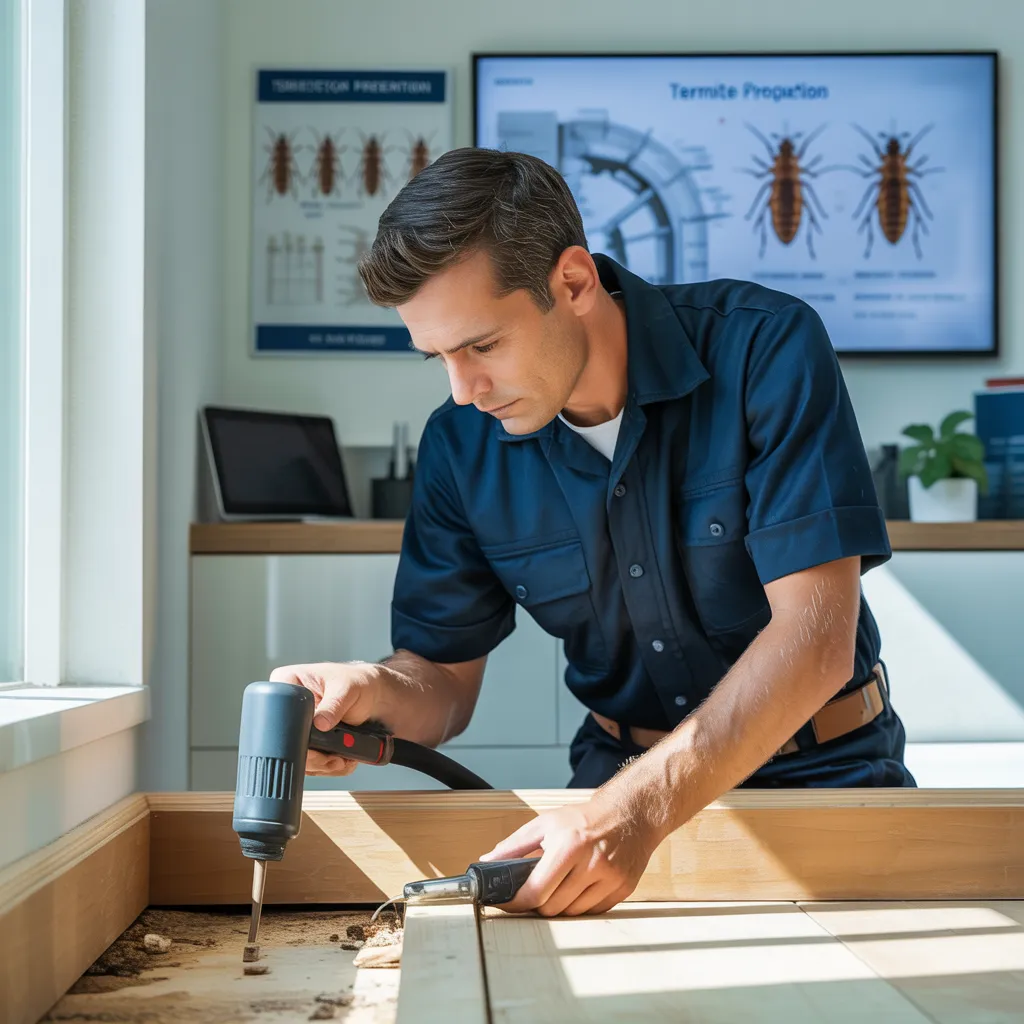
What Pests Are Standard and Why They Breach Your Home?
What causes pests to venture into homes? Sundry factors pull in common pests, including rodents, ants, and cockroaches. Food sources, such as crumbs and spills, prove to be considerable lures, providing easy access to sustenance. Additionally, moisture is a critical factor, with damp areas in kitchens and bathrooms creating favorable conditions for infestations.
Shelter serves as a critical factor; pests search out small openings and disorganized areas to build homes and take shelter from threats. Seasonal changes can worsen these invasions, especially during winter seasons when insects pursue heat.
Various landscapes, like gardens and overgrown vegetation, can further tempt pests, offering both food and cover. Recognizing these reasons helps homeowners grasp the importance of maintaining a clean, dry, and well-sealed environment to repel unwanted guests. By tackling these factors, the likelihood of pest invasions can be considerably curtailed.
Effective Preventative Measures to Keep Pests Away
To effectively keep pests at bay, individuals should focus on sealing entry points, keeping spaces tidy, and performing routine checks. These preventive actions create barriers that deter pests from infiltrating residences and create an unwelcoming environment. Implementing these strategies can greatly reduce the likelihood of infestations.
Seal Entry Points
Sealing entry points is an important step in effective pest control because it considerably lessens the chance related resource of infestations. Pests frequently enter houses through small cracks and fissures in walls, windows, and doors. Homeowners must carry out a thorough inspection to identify vulnerable spots such as utility lines, vents, and foundation cracks. Employing materials such as caulk, weather stripping, and mesh screens can successfully block these entry points. Ongoing maintenance is crucial since wear and tear may cause new openings. By adopting proactive measures to seal entry points, homeowners can dramatically reduce the risk of pests entering their living spaces, promoting a more sanitary and comfortable environment.
Maintain a pristine space
A clean environment serves as a strong defense from pests, markedly reducing the likelihood of infestations. Regular cleaning practices, including vacuuming and dusting, eliminate food particles and potential nesting sites, making homes less attractive to insects and rodents. Proper waste management is essential; storing garbage in sealed containers prevents pests from being drawn to odors. Additionally, cleaning spills and crumbs promptly deters pests from establishing a presence. Care should also be given to exterior spaces; maintaining gardens and yards, such as trimming overgrown plants, can discourage pests from entering the home. By fostering a perpetually tidy environment, homeowners can notably enhance their pest prevention efforts, establishing a less hospitable atmosphere for unwanted intruders throughout the year.
Regular Checks Needed
Maintaining a clean environment is important, and regular inspections are also important in stopping pest infestations. Homeowners should make thorough checks of both inside and exterior areas, targeting common issue spots such as basements, attics, and the areas around windows and doors. These inspections serve to identify early signs of pest activity, like droppings or damaged materials. Seasonal inspections can also expose weaknesses resulting from changing weather conditions, allowing for timely interventions. Hiring professional pest control services for detailed evaluations can further improve prevention strategies. By prioritizing regular inspections, individuals can defend their homes and guarantee a proactive strategy towards pest management, greatly decreasing the chance of an infestation developing.
Guide to Respond Rapidly to Pest Disasters
During pest crises, rapid recognition of the pest is necessary for successful management. Identifying the particular type enables the deployment of customized treatment approaches. Swift action not only minimizes destruction but also prevents recurring pest issues.
Identify The Pest Swiftly
How can homeowners effectively respond to pest emergencies? The first step is detecting the pest swiftly. Determining the specific type of pest facilitates targeted action and stops further infestation. Homeowners should observe key characteristics such as size, color, and patterns, while also noting where the pest was discovered. Utilizing internet tools or pest identification apps can ease this process. Additionally, keeping a pest journal can help track sightings and patterns, making it easier to identify recurring issues. When in doubt, consulting a pest control professional can provide guidance and expert insight. Prompt identification not only aids in immediate response but also guides long-term prevention strategies, ensuring a pestless environment year-round.
Enforce Emergency Discipline Approaches
Taking immediate action is necessary when a pest problem occurs. Immediate control measures can greatly alleviate damage and lower health risks. Begin by assessing the situation to identify the pest type and the scale of the infestation. This assessment helps determine the selection of proper treatment methods. For insects such as ants or cockroaches, traps or insecticides can be quickly set. In cases with larger pests like rodents, sealing entry points and placing traps is important. It’s crucial to observe safety practices by using protective gear when handling chemicals. If the infestation seems severe, contacting a professional pest control service is recommended. Acting quickly not only handles the immediate threat but also stops pests from becoming a ongoing problem.
Comparing Natural Remedies and Laboratory-Formulated Pesticides for Managing Pests
When facing insect control issues, should homeowners favor natural remedies or chemical treatments? This choice often is based on personal preferences, effectiveness, and environmental concerns. Natural remedies like diatomaceous earth, essential oils, and vinegar solutions attract those who prefer eco-friendly options. They tend to be safer for children and pets, though they may require more frequent uses and can lack the potency compared to chemical solutions.
Conversely, chemical treatments, such as insecticides and rat poisons, often deliver immediate and powerful outcomes. Nevertheless, they can bring health risks and might cause pests to develop resistance over time. Homeowners should weigh the pros and cons of each approach, taking into account factors like the severity of the infestation, the presence of vulnerable individuals in the home, and long-term sustainability. In the end, a combined approach that uses both techniques could produce the best results for maintaining a pest-free environment.
When Ought To You Contact a Pest Management Pro?
Determining the right moment to call a pest control expert can considerably affect the efficiency of pest management initiatives. Homeowners should think about reaching out to an professional when they notice indicators of an pest problem that exceeds their capacity to manage, such as a large number of rats and mice or insects. Additionally, if DIY methods prove unsuccessful to produce results after a reasonable period of time, it may be time to obtain expert assistance.
A key factor is the probable health risks associated with specific pests. For instance, termites can produce structural damage, while cockroaches may trigger allergies or asthma. Moreover, if pests are observed in delicate areas like kitchens or bedrooms, expert intervention is advisable. Finally, if the pest problem is relentless or repeating, an expert can supply a all-encompassing appraisal, guaranteeing a long-term solution rather than quick-fix relief. Catching these scenarios without delay can produce a more effective and effective pest control plan.
Year-Long Advice for Maintaining a Pest-Control Home
Upon understanding when to engage experienced pest management help, property dwellers can adopt protective actions to maintain a pest-resistant home on an ongoing basis. Periodic evaluations are paramount; checking for signs of infestations, such as droppings or nesting sites, can help identify problems at the start. Seal any fractures or openings in walls, windows, and doors to prevent undesired pests from entering. Maintaining cleanliness is critical; rapidly cleaning food spills and keeping food in hermetic storage can ward off bugs and vermin.
Seasonal chores also play a role. In spring, homeowners should remove debris from yards and trim overgrown bushes. In fall, ensuring gutters are clean and downspouts channel water away from the foundation can reduce dampness, which attract pests. Finally, using natural repellents, such as essential oils or diatomaceous earth, can provide an effective to pest management. By implementing these strategies, homeowners can significantly lower their risk of infestations year-round.
Frequently Commonly Questions
In What Ways Do Seasonal Shifts Change Insect Presence Inside Structures?
Climate shifts substantially influence indoor pest activity. Warmer temperatures may elevate insect breeding, while humidity can encourage infestations. Conversely, colder conditions often force pests indoors, searching for shelter and food, thereby magnifying indoor pest problems.
Can Your Furry friends Invite Pests Into the Home?
Pets can indeed attract pests into the home. Their fur, food, and waste often act as lures for fleas, ticks, and rodents, raising the likelihood of infestations if not properly handled and regulated.
What Function Does Landscaping Perform in Controlling Pests?
Proper plant selection, regular maintenance, and strategic placement form the foundation for pest control by shaping habitat suitability. These landscaping practices can discourage pest infestations, eliminate pest hiding spots, and boost populations of beneficial insects, ultimately fostering a healthier setting.
Are There Particular Times of Year When Pests Are More Prevalent?
Pests tend to be more active during hot weather periods, especially spring and summer, when it gets hotter and food sources are abundant. Fall may see heightened movement as species get set for winter, finding lodging and provisions.
How Do I Identify Where a Unwanted Pest Concern is Starting?
To find the source of a pest problem, one should check possible entry points, assess food storage areas, and check for signs of infestation, such as droppings or nests, to locate the infestation's origin.